November 10, 2026

Burda on Healthcare: Open Enrollment? More Like Open Your Wallet.
It’s open enrollment season. It’s that time of year when people pick their health plan and benefits for the upcoming year. Based on a number of industry reports, surveys and research, people will also be figuring out how they’re going to pay for them.
How much more are they going to pay? Let’s look at some of the predictions.
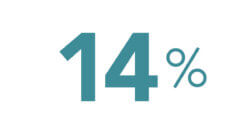
 14% That’s the median premium rate hike for 2027 proposed by health insurance companies that serve the small group health insurance market, according to an analysis released in August by the Peterson-KFF Health System Tracker. The analysis is based on data published on the federal website HealthCare.gov. The small group health insurance market serves employers with 50 or fewer employees. The data comes from 295 small group insurers in 50 states and the District of Columbia. The analysis said insurers cited higher medical prices and rising utilization as the primary drivers of the proposed premium increases. New and expensive specialty drugs, increased use of GLP-1s and higher use of behavioral health services were “contributing factors,” the analysis said.
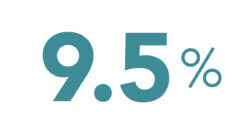 9.5% That’s the projected increase in U.S. employer healthcare costs in 2027, according to an analysis released in August by Aon, the Chicago-based global insurance broker. The analysis is based on data from more than 1,100 U.S. employers representing 7.9 million employees. The cost figure represents total premiums paid by employers and employees for medical and prescription drug coverage. Aon cited the usual culprits of higher provider prices, higher utilization by patients and higher use of GLP-1s for the increase. But it also cited providers’ use of artificial intelligence (AI) to do clinical documentation and coding, which in turn, leads to higher billed charges.
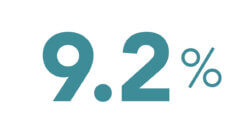
 9.2% That’s the median projected increase in employers’ healthcare costs for 2027, according to a report released in August by the Business Group on Health (BGH), the Washington-based employer business coalition. The report is based on a survey of 127 employers representing 11 million covered lives. Like the Aon analysis, the BGH report cited AI as a contributor to employers’ rising healthcare costs. Sixty-four percent of the surveyed employers said providers are using AI in “revenue-optimization activities and upcoding.” Sixty-two percent said hospital price increases are driving up their costs to a “great” or “very great” extent, blaming provider consolidation and reduced competition for the higher prices.
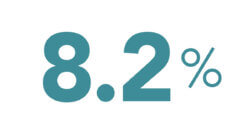 8.2% That’s the projected increase in the average health benefits costs per employee in 2027, according to a report released in August by Marsh (formerly Mercer), the New York-based benefits consulting firm. The report is based on a survey of about 1,800 employers. The average health benefits cost increase could be as high as 11% next year if employers don’t do anything to address it, the report said. The report cited the increasing use by employees of GLP-1s and increasing use by providers of AI for billing as cost drivers. This report also said the expensive unintended consequences of the No Surprises Act will add as much as one percentage point to the firm’s cost projections for next year.
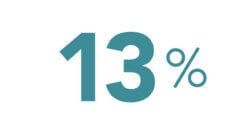
 13% That’s the median premium increase next year for benchmark ACA silver health plans sold over state and federal health insurance exchanges, according to an analysis released in October by KFF (formerly the Kaiser Family Foundation). The KFF analysis is also based on data from HealthCare.gov. That follows a 26% median premium increase this year for the same benchmark ACA silver health plans. The analysis said carriers selling ACA health plans over the exchanges cited a “higher-than-usual increase in the underlying cost of care” for another double-digit premium hike.
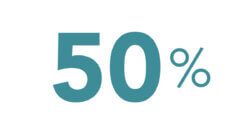 50% That’s the average monthly premium increase for standalone Medicare Part D prescription drug plans in 2027, according to an analysis also released in October by KFF. These are prescription drug benefits not part of a Medicare Advantage plan. In terms of dollars, the average monthly premium for a standalone Medicare Part D prescription drug plan will rise to $51 from $34, the analysis said. The analysis did not offer any explanation for the double-digit increase in monthly premiums.
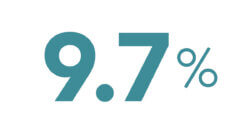 9.7% That’s the projected increase in employer healthcare costs in 2027, according to a report released in October by WTW (formerly Willis Towers Watson), the New York-based benefits consulting firm. The report is based on a survey of 471 U.S. employers with at least 100 employees. That 9.7% projection comes after employers make health plan and benefits design changes. The 9.7% turns into an 11% jump if employers stand pat with what they have, the report said. The top five factors driving higher employer healthcare costs are, in ranked order, high-cost claimants, pharmacy costs, chronic conditions, oncology care and medical inflation, the report said. Of the surveyed employers, 85% said they plan to or are considering increasing employees’ premium contributions.
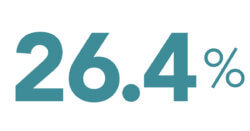 26.4% That’s the share of the average annual health insurance premium for family coverage this year, according to a report released in October by KFF. The report is based on a survey of nearly 2,000 non-federal public and private employers with 10 or more employees. That share of the annual premium is up from 25.4% in 2025. Converted to dollars, that 26.4% was $7,471. That’s 9% more than in 2025. Forty-four percent of large employers, or those with 200 or more employees, said they increased their employees’ share of the premium cost this year.
 I’m not a math person, but even I know that those are some big numbers that ultimately will come out of the pockets of consumers. But unlike government, big organizations or large corporations, consumers don’t have deep pockets. Nor do they have anyone else that they can pass their costs along to. The buck literally stops with them. What happens when there are no more bucks?
The time to build better healthcare is now before consumers run out of money and the current system collapses from the incessant greed of incumbent industry stakeholders.

About the Author

Recent Posts