July 15, 2026
Have We Gone Full Flock Camera With Our Health?
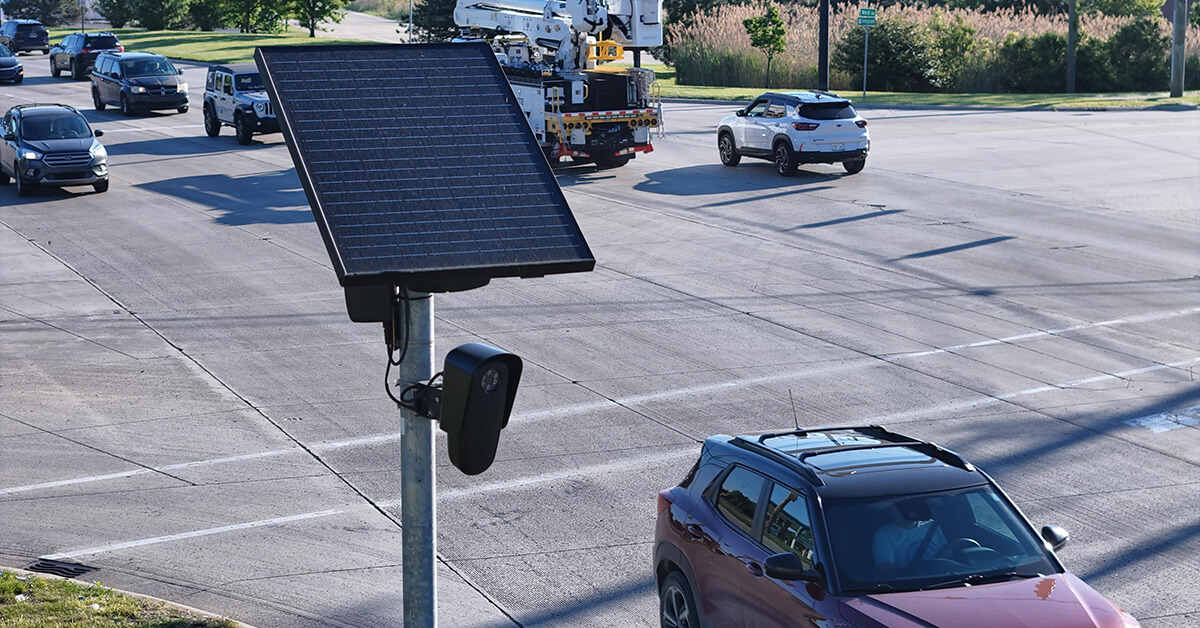
I was driving west down Butterfield Road in Wheaton, Illinois, last Saturday about 11 a.m. In the median between Bradford Drive and Lambert Road was a parked squad car with its lights flashing but no siren. As I passed the squad car in the median to my left, one of Wheaton’s finest was quietly standing there, outside of his vehicle. At his feet was a busted-up Flock camera. Flock cameras are automated license plate readers. It looks like a camera on a pole wearing a small solar panel like a hat.
Apparently, someone decided late Friday night or early Saturday morning that they no longer wanted to be constantly surveilled going down that stretch of road, and they either ran over the Flock camera or took a bat to it. The surveillance apparatus was in pieces. The policeman was staring down at it, with his hands on his hips. What was going through his mind, I’m not sure.
That image was going through my mind as I read a new report from the American Medical Association’s Center for Digital Health and AI. The 31-page report is based on a survey of 2,222 doctors in six countries on how they engage with consumer-grade wearable medical devices in their practice. The countries were Canada, France, Germany, Spain, the United Kingdom and the United States. Seven hundred and twenty respondents were from the U.S.
The wearable medical devices in question are tech tools that consumers buy to monitor their health and fitness. Things like smart watches, smart rings, fitness trackers and biosensors. Nonprescription, over the counter, initiated by consumers, not doctors.
The headline in the healthcare trade press in regard to the survey results was that only 6% of physicians in the U.S. integrate data from patients’ wearables into their clinical workflows to care for their patients. That’s more than any of the five other countries but still low given the amount of data available. On the plus side, 86% of U.S. physicians said they “at least sometimes” review wearable data from patients.
Here are some examples of how physicians engage with patients who generate data from wearables:
- 23% said patients sought guidance on using wearable data at least weekly.
- 21% said patients asked them to review, interpret or discuss wearable data at least weekly.
- 16% said patients scheduled visits due to wearable data concerns at least weekly.
- 15% said patients explicitly asked them to incorporate wearable data into monitoring or care plan at least weekly.
In other words, there’s this large cohort of patients wearing all kinds of medical devices, generating all kinds of health and fitness data and asking their doctors to do something with it. Doctors are doing it, too. Eighty-two percent of U.S. doctors said they are using wearables for personal medical use.
We’ve entered an era of continuous surveillance of our health. We’ve gone full Flock camera. Don’t get me wrong. I’m all for prevention, screenings, preventative care, etc. But continuous surveillance of your vital signs and transmitting your data to a doctor who’s wearing an Apple Watch, Oura Ring and Dexcom glucose monitor is a bit much.
How long will it be before a consumer rips off all their wearables and runs them over with their car or smashes them up with a bat? I’m thinking that the person who trashed that Flock camera on Butterfield between Bradford and Lambert didn’t want their doctor to know that they were headed to Dairy Queen and/or Rosati’s Pizza, which are along that stretch of road.

About the Author

Recent Posts