September 16, 2026

And Then There Were Three (GPOs)
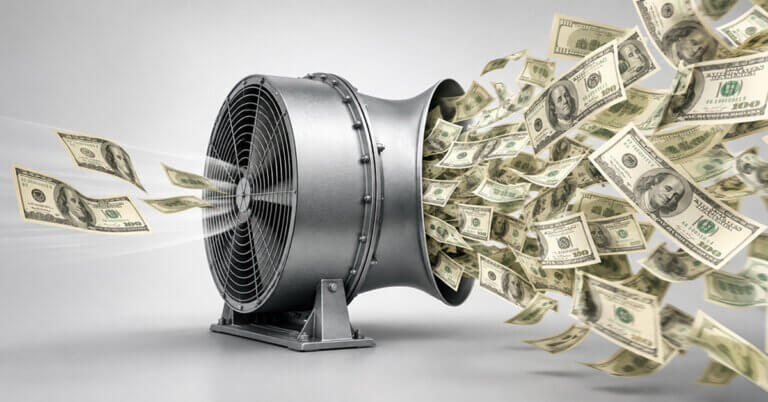
You know I’m not a fan of middlemen. Middlemen in any industry add rather than subtract costs to the system with consumers paying higher prices as a result. It’s no different in healthcare. We pay more for prescriptions drugs and medical supplies because of pharmacy benefit mangers, distributors and group purchasing organizations (GPOs). Their cut more than offsets any alleged supply chain savings.
That economic market dysfunction gets worse when market competition among middlemen drops. That reduces the competitive pressure to keep their cut as reasonable as possible.
If you don’t believe me, maybe you’ll believe a new research letter in JAMA Health Forum.
Three researchers from Dartmouth University and the Weill Cornell Medical College looked at the link between GPO market consolidation and hospital pharmacy expenses in 2024 compared with 2014.
In 2014, 23% of hospitals used Vizient as their primary pharmacy GPO followed by Premier at 22.1%, MedAssets at 20.3% and HealthTrust at 16.7%. Some 12.3% used a small GPO, and 5.6% didn’t use a GPO at all. Market consolidation recalibrated those market shares over the following decade.
By 2024, 43.4% of hospitals used Vizient, which acquired MedAssets in 2016, as their primary pharmacy GPO followed by Premier at 23.7% and HealthTrust at 17%. The percentage of hospitals that used a small GPO dropped to 10.4% with the percentage not using a GPO at all staying the same at 5.6%.
Here’s what happened to drug costs incurred by hospitals in 2024. Average pharmacy expenses at non-GPO hospitals per hospital were about $13.8 million compared with:
- About $50.3 million for hospitals with Vizient
- About $32.3 million for hospitals with Premier
- About $17.6 million for hospitals with HealthTrust
Of course, dollar figures can vary by characteristics of the GPOs’ hospital and health system members, i.e., patient volume, medical service lines, ownership, teaching status, open or closed formulary, etc.
But you don’t have to be an economist to spot the correlation between GPO market share and market concentration and pharmacy costs. Higher market share, higher expenses. Lower market share, lower expenses. More concentrated market, higher expenses. Less concentrated market, lower expenses. As we used to say when we were kids, “Well, duh.”
Citing “policymaker concerns,” the researchers said that GPOs’ “concentrated purchasing power may produce monopsony-like supplier pricing, restrictive contracting practices that limit competition, drug shortages, and funding arrangements that do not incentivize lower hospital costs.”
The only thing that gets passed down to consumers is higher prices for prescription drugs administered or dispensed to hospital patients.
If we want to build better healthcare, one way to do it is by eliminating the middlemen in healthcare or at least make them compete on a level playing field.

About the Author

Recent Posts