May 13, 2026
Don’t Get Lockjaw. Providers Must Shout Benefits of Routine Vaccines.
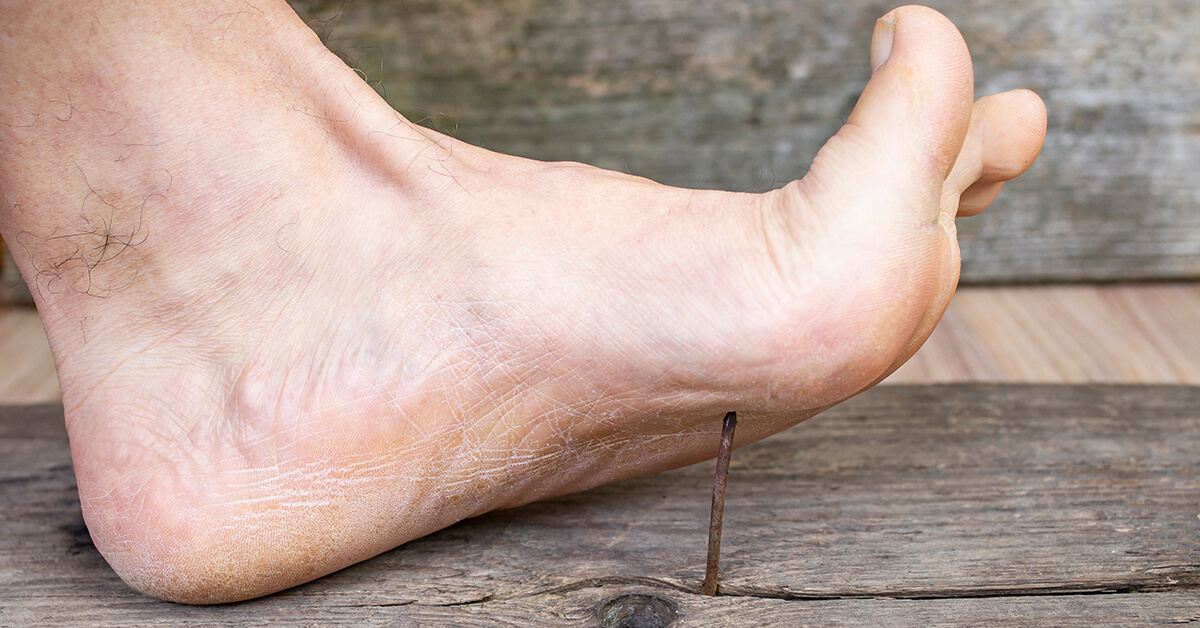
As a kid growing up in the 1960s and 1970s, nothing scared me more than lockjaw. The thought of not being able to open your mouth to speak or eat until you die was almost too much to bear. I could spot a rusty nail on a board from six feet away and walk around an entire block to avoid it.
Quicksand was a close second. Sharks a distant third.
My deadly fear of lockjaw bubbled to the surface last month when the Centers for Disease Control and Prevention (CDC) published its tetanus surveillance report in Morbidity and Mortality Weekly. Tetanus, as you know, is the bacterial infection that causes lockjaw. I had no idea that there were enough tetanus cases in the U.S. to warrant a surveillance report, but there is.
Tetanus, as you also know, is easily preventable by routine vaccines, which last about 10 years. It’s also easily preventable if you cut or puncture yourself and you get a tetanus shot right away if you haven’t had one in a while.
But safe and effective vaccines and immunizations to prevent potentially deadly infections and diseases are anything but routine in the anti-vax age we’re living through right now. Suddenly and without proof, routine safe and effective vaccines and immunizations that have protected us for generations are now unproven and potentially harmful.
That, to me, is why this new tetanus surveillance report is so important. It shows that tetanus vaccines work. From 2009 through 2023, there were only 402 cases of tetanus in the U.S. and only 37 tetanus-related deaths. Considering how many times people cut or puncture themselves on dirty or unclean objects, that’s pretty amazing. No one under the age of 18 died of tetanus over that 14-year period.
“Tetanus remains rare in the United States, underscoring the success of current vaccination policies and programs,” the CDC said in its report.
The key phrase there is current vaccination policies and programs. It’s those current vaccination policies and programs that are under attack from HHS Secretary Robert F. Kennedy, Jr. and his anti-vax idiots. Any uptick in preventable tetanus cases would be a direct result of anti-vaxers making the public suspicious of tetanus vaccines. It wouldn’t surprise me to see RFK Jr. eating rusty nails out of a metal bucket to prove whatever nonsensical point he was trying to make.
It will be up to private-sector healthcare providers and regional, state and local public health officials to keep shouting out the message that routine tetanus vaccines are safe, effective and work to prevent lockjaw. No one wants lockjaw.
Of particular interest to me, according to the report, most tetanus cases — some 61.2% — came from puncture wounds. Like stepping on a rusty nail. I knew it.

About the Author

Recent Posts