April 1, 2026
Take Me Out to the Hospital
I like to say that healthcare is no different from any other industry, and businesses in healthcare are no different from businesses in other industries. What they do is different, but the economic behaviors and incentives are the same.
Last month, Trilliant Health, the Brentwood, Tennessee-based market research and consulting firm, released a report that further supports my position. Trilliant researchers analyzed hospital-reported data from the Centers for Medicare & Medicaid, the U.S. Agency for Healthcare Research and Quality and the National Academy for State Health Policy to learn that, on average, only 34% of all hospital gross revenue comes from net patient revenue, or the money hospitals collect from treating patients.
In other words, only about one-third of all the money hospitals charge for everything they do every day comes from their core business of providing medical care to their customers. The researchers attributed much of that difference to the difference between what hospitals charge for their services and what they actually collect from patients and/or their health plans.
The difference between gross and net charges is only part of the story, though. According to the Trilliant report, 16% of hospitals’ operating expenses are non-patient care related. They’re spending 16% of their money on things not related to their core business of providing medical care to their customers.
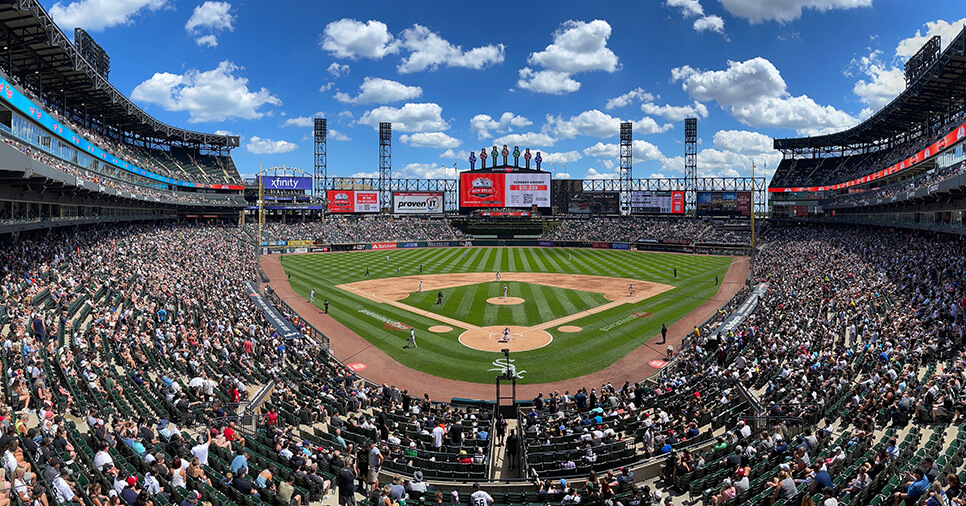
To me, that makes hospitals like restaurants, movie theaters and baseball stadiums.
Restaurants’ core business is selling food, but they generate a lot of revenue from selling alcohol. Movie theaters’ core business is selling movie tickets, but they generate lots of revenue from selling pop, candy and popcorn. Baseball stadiums’ core business is selling tickets to the game, but they generate a lot of their revenue from selling beer, peanuts and hotdogs, not to mention home team merch.
It’s just good business.
One could say hospitals are different from restaurants, movie theaters and baseball stadiums because hospitals have to give away some of what they do for free to their customers who can’t afford or won’t pay their hospital bills. But the Trilliant analysis found that charity care and bad debt ate up only 1.1% and 1.0%, respectively of hospitals’ operating costs. I’m sure that there are more than a few restaurant, movie theater and baseball stadium patrons who skip out on their bills, leave lousy tips or refuse to pay certain charges.
Hospitals are businesses just like businesses in any other industry. If we want to build better healthcare, we need to create economic incentives for hospitals to be better at keeping us healthy, not just caring for us when we’re sick.

About the Author

Recent Posts